

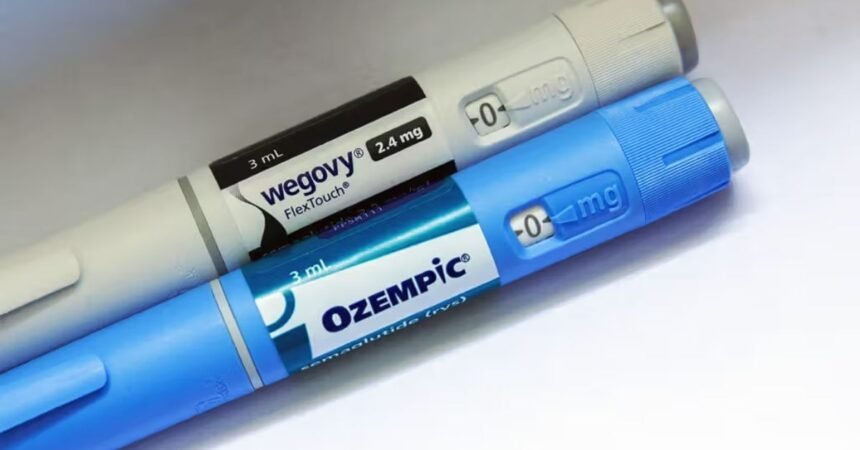
Wegovy can support meaningful weight loss when it is used as part of a medical weight management plan that includes a reduced-calorie diet and increased physical activity. Wegovy contains semaglutide, a GLP-1 receptor agonist that can help regulate appetite and food intake. AM Rx provides medical weight loss support for eligible adults and may prescribe wegovy weight loss prescription when a healthcare provider determines that it is appropriate.
The amount of weight a person can lose with Wegovy varies considerably. Clinical studies provide useful averages, but they cannot predict the exact result for one individual. Starting weight, treatment dose, eating habits, physical activity, health conditions, treatment consistency, and individual response can all influence the overall outcome.
Average Weight Loss With Wegovy
In a major 68-week clinical study, adults with obesity or overweight with at least one weight-related health condition who used Wegovy 2.4 mg along with diet and increased physical activity lost an average of about 15% of their starting body weight. The average starting weight was around 232 pounds, which corresponded to approximately 35 pounds of weight loss.
The results also showed that weight loss varied among participants. About 83% of adults using Wegovy lost at least 5% of their body weight, while some participants achieved 10%, 15%, or 20% or more. These results demonstrate the potential of treatment but should not be viewed as a guaranteed amount of weight loss for every person.
How Starting Weight Affects Weight Loss
Starting weight can influence the number of pounds lost during treatment. For example, losing 15% of body weight represents a different number of pounds for someone starting at 200 pounds compared with someone starting at 300 pounds. This is why percentage-based results can sometimes provide a better way to understand clinical weight loss.
A person starting at a higher weight may lose more pounds while achieving a similar percentage reduction. However, starting weight is only one factor. The body’s response to semaglutide, eating habits, physical activity, health conditions, and treatment consistency can also affect results.
Wegovy Works Gradually
Wegovy is not designed to produce all of its potential weight loss within the first few weeks. Treatment generally begins with a lower dose, which allows the body to adjust before the dose is gradually increased according to the prescribing healthcare professional’s instructions.
Appetite changes may occur during the earlier stages, but meaningful weight reduction usually develops over a longer period. Clinical studies have evaluated Wegovy over many months, showing why long-term treatment and consistent lifestyle habits are important when assessing overall progress.
How Wegovy Helps With Appetite
Semaglutide works by mimicking GLP-1, a hormone involved in appetite regulation and food intake. By activating GLP-1 receptors, Wegovy can help reduce appetite and calorie intake. Some people may find that they feel satisfied with smaller portions while taking the medication.
This appetite effect can make it easier to follow a reduced-calorie eating pattern. However, reduced hunger does not mean that nutrition becomes less important. Meals should still provide adequate protein, fiber, vitamins, minerals, and other nutrients needed to support overall health.
The Role of Diet During Wegovy Treatment
Wegovy is intended to be used together with a reduced-calorie diet and increased physical activity. Choosing nutrient-dense foods can help make the most of a lower calorie intake. Lean proteins, vegetables, fruits, whole grains, and healthy fats can all contribute to a balanced eating pattern.
Portion control may become easier when appetite decreases. Eating slowly and paying attention to fullness can also help prevent overeating. Extreme calorie restriction is not necessary and may make it harder to meet nutritional needs during weight loss.
Exercise Can Support Better Results
Regular physical activity adds another important component to a weight management plan. Exercise can support calorie expenditure, cardiovascular health, muscle strength, mobility, and overall fitness while Wegovy helps with appetite and food intake.
Walking, cycling, swimming, resistance training, and other activities can be adapted to different fitness levels. Strength training can be particularly useful during weight loss because it helps support muscle strength and lean body mass. A healthcare professional can help determine an appropriate exercise routine based on individual health needs.
Why Results Differ From Person to Person
Not everyone responds to Wegovy in exactly the same way. Genetics, metabolism, starting weight, age, body composition, medical conditions, other medications, eating patterns, physical activity, and treatment adherence can all influence weight loss.
Some people may lose weight faster during certain periods, while others experience slower and more gradual changes. Temporary plateaus can also occur. A slower period does not necessarily mean that treatment has stopped working, particularly when the overall trend continues to move in a positive direction.
What Higher Weight Loss Percentages Mean
Clinical studies show that some people achieve weight loss well above the average. In the 68-week Wegovy 2.4 mg study, 30% of participants lost at least 20% of their body weight. This means that substantial weight reduction is possible for some people, but it does not represent the expected result for everyone.
It is important to distinguish between an average result and the range of individual outcomes. Someone who loses less than the study average has not necessarily failed treatment. The appropriate goal depends on the person’s health, starting weight, treatment response, and medical circumstances.
How AM Rx Can Support Wegovy Treatment
AM Rx provides medical weight management services for eligible patients and may prescribe Wegovy when clinically appropriate. Its program also includes weight loss coaching, nutrition and fitness support, and progress tracking. These services can help patients address the lifestyle factors that work alongside medication.
Medical follow-up can also help monitor treatment response and tolerability. Providers can review changes in weight, appetite, eating habits, physical activity, and side effects when evaluating ongoing treatment. This allows the weight management plan to remain focused on individual needs rather than a fixed weight loss target.
Maintaining Weight Loss Over Time
Reaching a lower weight is only part of successful weight management. Maintaining progress requires sustainable habits that can continue over the long term. Healthy eating, regular physical activity, adequate sleep, and ongoing medical support can all contribute to maintaining weight reduction.
Some people may regain weight after stopping weight loss medication. This makes long-term planning particularly important. A healthcare provider can help determine the appropriate duration of treatment and discuss strategies for maintaining progress based on individual circumstances.
Final Thoughts
Wegovy can support significant weight loss for many eligible adults. In a 68-week clinical study, people using the 2.4 mg dose with a reduced-calorie diet and increased physical activity lost an average of about 15% of their starting body weight, while some participants achieved 20% or more. Individual results can vary substantially.
The most useful approach is to focus on steady, sustainable progress rather than expecting a specific number of pounds. Combining Wegovy with nutritious eating, regular movement, consistent treatment, and medical monitoring can create a stronger foundation for long-term weight management. AM Rx combines prescription weight management with coaching, nutrition and fitness guidance, and progress tracking to support eligible members throughout their treatment.